

There is a moment in the life of every immigrant in Miami that changes everything. It's not when you arrived. It's not when you got your green card. It's when you become a U.S. citizen.
Citizenship is not just a document. It's the right to vote, to petition for your parents, to travel without restrictions, and to know that no one can deport you. For thousands of Hispanic families in South Florida, that moment is closer than they think.
As of early 2026, the national median processing time for Form N-400 is approximately 8 months — the lowest processing times since 2016. If you meet the requirements today, you could be a citizen before 2027 ends.
This blog is the checklist you need to review before taking the first step.
What Is Naturalization and Who Can Apply?
Naturalization is the legal process by which a person born outside the United States becomes a U.S. citizen. You apply by filing Form N-400 with USCIS.
U.S. citizenship is a federal matter — the main requirements and the application process are the same in every state, including Florida. USCIS, a federal agency, handles all citizenship applications across the country.
There are two main eligibility paths based on how long you've been a lawful permanent resident. The five-year rule applies to residents who obtained their green card through any route other than marriage to a U.S. citizen — they must have been permanent residents for at least five years. The three-year rule applies to those who obtained their green card through marriage to a U.S. citizen and remain married to and living with that person — the period is reduced to three years.
Main Requirements: Residency Time, Language, and History
To qualify for naturalization in 2026, you must meet the following requirements at the same time:
Continuous residence: having maintained your permanent residence continuously throughout the required period — 5 years in most cases, 3 years for the spouse of a citizen. Trips outside the United States of more than six months can interrupt continuous residence and restart the count.
Physical presence: having been physically present in the United States for at least half of the required period — 30 months out of 60 under the five-year rule.
Good moral character: not having a record that qualifies as a moral bar. Certain crimes can cause inadmissibility. An immigration attorney should review your complete history before you file.
English and civics: demonstrating the ability to read, write, and speak basic English, and passing the USCIS civics test — which asks up to 20 questions out of a total of 128, and you must answer at least 12 correctly. There are exemptions based on age and years of residence.
Residence in the district: having lived in the district or state where you file the application for at least three months before applying.
Checklist — Documents to Gather Before You Apply
Before filing the N-400, gather these documents:
- Copy of your current green card (both sides)
- Copy of all your previous green cards, if any
- Valid passport and all previous passports
- Birth certificate with certified English translation
- Record of all trips outside the U.S. in the last five years (departure and entry dates)
- Marriage certificate if applicable — and prior divorce decrees, if any
- Birth certificates of minor children, if applicable
- Proof of tax payments for the last five years (IRS transcripts)
- History of arrests or criminal charges, if applicable — with complete documentation
- Two passport-style photographs
If you have a history of frequent or long trips, a criminal record of any kind, or unfiled-tax situations, talk to an attorney before filing. Those factors don't necessarily block citizenship — but they must be handled correctly from the start.
Mistakes That Lead to Naturalization Denial
These are the most frequent mistakes HHA Law finds in applications that arrive with problems:
Not disclosing trips abroad that interrupted continuous residence. USCIS cross-checks passport data and can detect departures that weren't disclosed. That can result in denial for lack of continuous residence or lack of honesty.
Not disclosing a criminal record — including arrests without conviction or significant traffic fines. The rule is to disclose everything and let the attorney determine what is relevant. What isn't disclosed and USCIS finds is far worse than what is disclosed with context.
Filing the N-400 before completing the exact residence period. You can file the N-400 90 calendar days before you complete your continuous residence requirement — not earlier. Filing earlier can result in automatic rejection.
Not preparing for the civics test with enough time. The test has 128 possible questions. It's not difficult if you study with a method — but showing up unprepared is the most avoidable mistake of all.
How Long Does the Process Take in Miami Right Now?
In metropolitan areas like Miami and New York, the process can take 10 to 12 months. That time includes the receipt notice, the biometrics appointment, the interview and civics test, and the oath ceremony. You can check current processing times on the official USCIS page.
The current administration has indefinitely suspended naturalization interviews and oath ceremonies for citizens of 39 designated countries. Before you file, HHA Law checks whether your country of origin is on that list and what options exist if it applies.
The practical recommendation: if you meet the requirements today, file as soon as possible. Every month of waiting is a month further from citizenship. And the political environment of 2026 suggests that waiting may be more costly than acting.
Dual Citizenship: Is It Possible for Hispanics in Florida?
This is one of the questions HHA Law gets most often before someone decides to naturalize.
The United States does not require you to give up your citizenship of origin as a condition of naturalizing — although the naturalization oath contains language that could be read as a renunciation. In practice, most Latin American countries — including Colombia, Venezuela, Cuba, the Dominican Republic, Mexico, and Peru — allow dual citizenship or impose no consequences for naturalizing in another country.
However, each country's laws change. Before you naturalize, HHA Law recommends checking the current dual-citizenship status of your country of origin to confirm that you won't lose your birth citizenship in the process.
The short answer: in most cases of Hispanics in Miami, dual citizenship is possible. But confirming your country's specific details with the attorney is always the right step. ☎️ 305-614-1690
How HHA Law Supports You Through the Entire Process
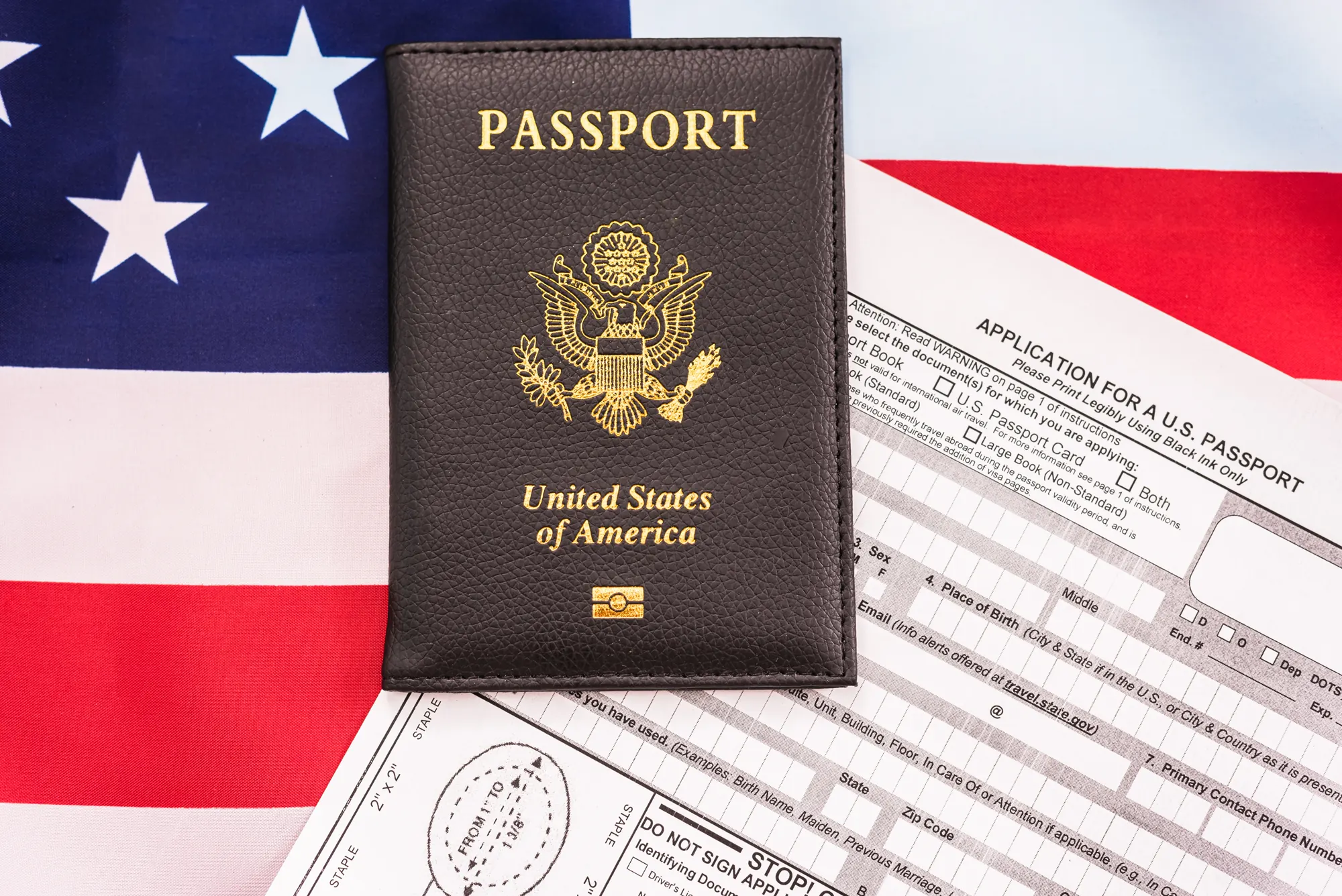
The naturalization process looks simple on paper. In practice, it is full of details that can cause delays or denials if they are not handled correctly from the start.
HHA Law evaluates complete eligibility before filing — including travel history, criminal record if any, and tax situation. It prepares the complete N-400 package and verifies every document. It accompanies the client in preparing for the civics test. It is present at the USCIS interview and handles any request for additional evidence.
More than 22 years helping Hispanic families in Miami take this step.
Frequently Asked Questions About Citizenship in Miami
Can I lose my green card if I don't apply for citizenship?
Your green card does not expire automatically if you don't apply for citizenship. However, it must be renewed every 10 years and can be revoked in certain circumstances. Citizenship is the only form of permanent, irrevocable protection.
Do I have to give up my Cuban, Venezuelan, or Colombian citizenship to become a U.S. citizen?
In most cases, no. Most Hispanic countries allow dual citizenship. However, this must be verified case by case according to the law of the country of origin. HHA Law can guide you on your specific situation.
What happens if I failed the civics test at my first interview?
USCIS gives you a second chance — a new interview 60 to 90 days later. If you fail the English or civics test at the second interview, USCIS denies the application. HHA Law prepares its clients so that second chance is not necessary.
How much does it cost to file the N-400?
The filing fee for Form N-400 is currently $760. Fee waivers are available for eligible applicants with limited income. This cost is paid to the government — separate from attorney fees.
U.S. citizenship is one of the most important steps a person can take in this country. Not only because of the rights it grants — but because of what it means for your family, your future, and your peace of mind.
If you've been a permanent resident for three or five years, the time to evaluate whether you're already eligible is today — not when the process gets more complicated.
HHA Law offers the first free consultation in Spanish. No obligation. With more than 22 years alongside Hispanic families in Miami who have already taken that step.
☎️ 305-614-1690 · hhalaw.com

Think you may already be eligible for U.S. citizenship?
The initial consultation is free and handled entirely in Spanish.
Schedule a Free Consultation Immigration lawyer in Miami: how we help →