

"Will I ever be able to buy a home again?" "Will I have credit again?" "Is this going to follow me forever?"
That fear makes sense. Bankruptcy is a decision that feels final. And in a culture where credit history is the passport to everything—an apartment, a car, a mortgage—being left without credit feels like being left without options.
According to LendingTree data, Miami residents carry an average of $44,230 in non-mortgage debt. Total U.S. credit card debt hit a record $1.28 trillion in 2026, with interest rates averaging 19.58% and many people paying up to 27% APR. When minimum payments only cover the interest and the balance never goes down, bankruptcy isn't giving up: it's a legal tool designed for exactly this situation.
And credit, contrary to what fear suggests, doesn't end with bankruptcy. It starts to rebuild.
How Long Does Bankruptcy Stay on Your Credit Report?
A Chapter 7 bankruptcy stays on your credit report for 10 years from the filing date. A Chapter 13 bankruptcy stays for 7 years. However, the negative impact of those entries fades over time as a new positive history is built. Having a bankruptcy on your record doesn't prevent you from getting credit: it only affects the terms (interest rate, limits) during the first few years.
Chapter 7 can remain on your credit report for up to 10 years, while Chapter 13 usually stays for 7 years. Those are the legal maximums. But there's something the data doesn't say, and that HHA Law's experience with clients in Miami confirms: more recent entries carry more weight than older ones.
That means a client who filed bankruptcy two years ago but has had 24 months of positive history has a very different credit picture from someone who filed two years ago and has done nothing since. Time alone doesn't rebuild credit. What you do with that time does.
The Real Impact on Your Credit Score: What the Numbers Say
Right after a bankruptcy, you can expect your credit score to drop between 200 and 300 points. If you had a 650 score, that could take you to 350-450. If your credit was already wrecked by months of late payments and accounts in collections, the drop may be smaller because you were already at the bottom.
Here's what few people know: for someone whose credit is already at 500 after a year of late payments, the additional drop from bankruptcy may be only 50 to 100 points. And what bankruptcy does in exchange—eliminating debts immediately—improves your debt-to-income ratio, which is one of the main factors in the score.
Over time, with a new history of positive payments, the negative entries on your credit report, including the bankruptcy, have less impact on your score. More recent entries carry more weight, so make sure to pay your current bills on time.
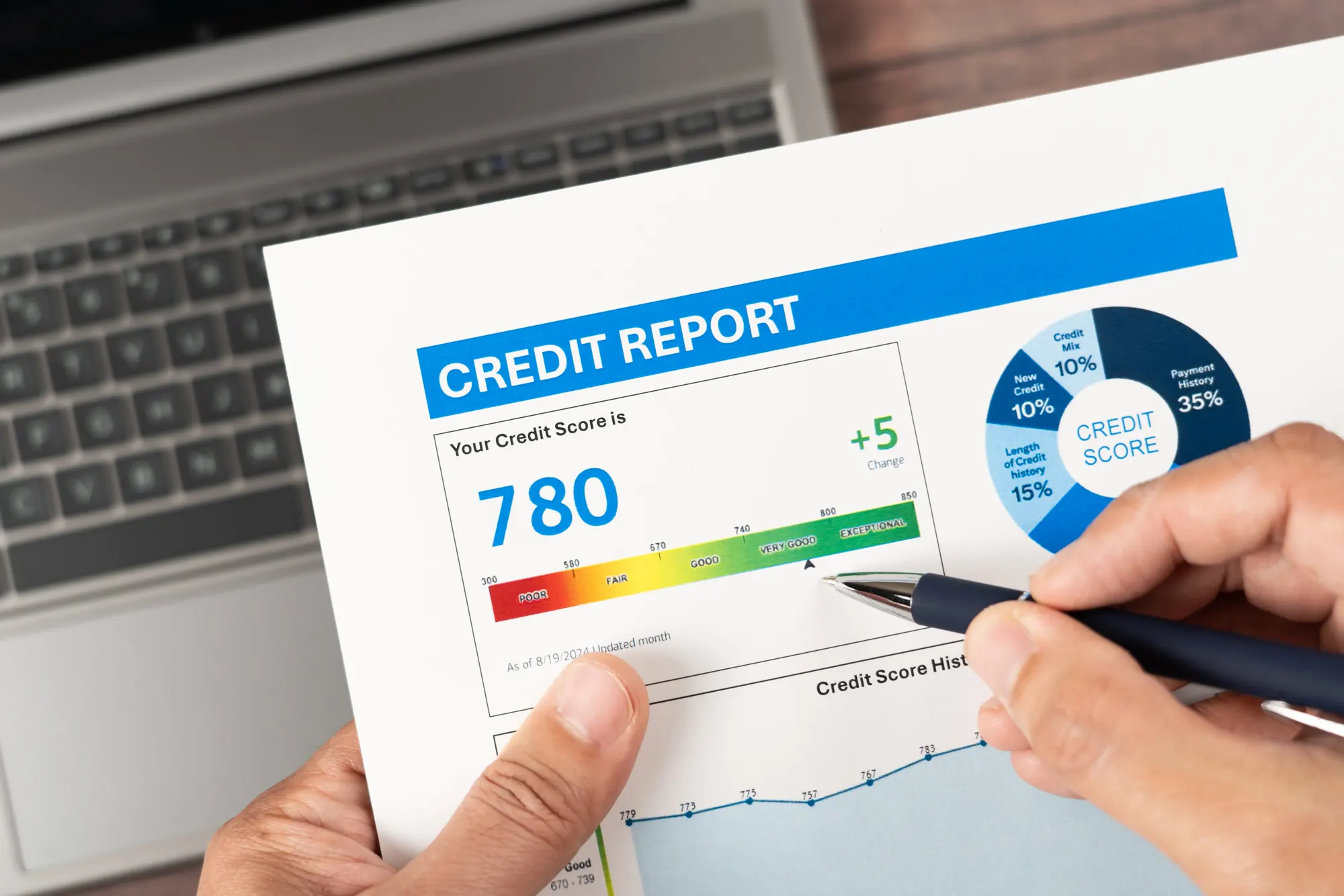
The realistic goal for 12 months of active rebuilding: a score between 600 and 650. At 24 months with a consistent strategy: 680 to 720. Those numbers open real doors.
Myth: "After Bankruptcy You'll Never Have Credit Again"
This is the most damaging myth about bankruptcy, and the one that leads the most Hispanic families in Miami to endure crushing debt instead of using the legal tool available.
The reality is exactly the opposite. The same credit card companies whose debts you discharged in bankruptcy are eager to give you credit again, because you no longer have debts and they can charge you a higher rate because of your credit score.
Many clients rebuild their financial situation quickly: they qualify for new credit cards almost immediately and become eligible to apply for a mortgage within two years, as allowed by law.
What is true: the credit terms you get right after bankruptcy will be less favorable. Higher interest rates, lower limits, the need for a deposit on some cards. But those terms improve with every month of positive history you build. In 12 to 18 months with the right strategy, the terms you get are much better than the ones you had when you were drowning in debt.
Months 1–3: First Steps to Rebuild
These first months are the most critical and the most often wasted, because no one explained what to do.
Check your credit report. You're entitled to a free report from each of the three major bureaus: Equifax, Experian, and TransUnion, at annualcreditreport.com. Verify that all debts discharged in bankruptcy show a $0 balance and a status of "discharged in bankruptcy." Errors at this stage can damage your score for years and are more common than people think.
Dispute errors right away. If any discharged account still shows an active balance or is in collections, dispute that error with the corresponding bureau. You have the right to do so for free under the Fair Credit Reporting Act.
Open a savings account if you don't have one. It sounds basic, but having an active bank account is the first step in building credit infrastructure. Many banks look at banking history before extending credit.
Don't apply for credit yet. Every credit application in the first months generates a "hard" inquiry that temporarily lowers your score. In this period, the priority is to stabilize, not to expand.
Months 4–6: Secured Cards and New Habits
Not all secured credit card offers are equal. There are credible lenders that offer secured credit cards, and there are others that will give you a low credit limit and impose excessive fees.
A secured card works like this: you deposit $200 or $500 as collateral, and that deposit becomes your credit limit. You use the card for small purchases and pay it in full each month. The bank reports that positive behavior to the credit bureaus, and your score goes up.
The golden rules for this stage:
Never use more than 30% of your available limit—ideally less than 10%. That utilization percentage is the second most important factor in the FICO score after payment history.
Pay the full balance every month, never the minimum. The minimum accrues interest. The full balance builds positive history at no interest cost.
Don't open more than one or two cards at this stage. The temptation to expand quickly hurts the score instead of raising it.
Months 7–12: Loans, Positive History, and Visible Recovery
In this period, the history you built in earlier months starts to have a measurable impact. If you paid on time for six months, your score will already have risen between 50 and 100 points from the bottom.
Credit-builder loans. Some credit unions and banks offer loans specifically designed to build credit history after bankruptcy. The loan money is deposited into an account you can't use until you finish paying it off, but every payment is reported positively. When you finish, you have the money saved and six to twelve months of positive history.
Ask for a limit increase on your secured card. Many secured card issuers let you request conversion to an unsecured card and a return of your deposit after 12 months of responsible use.
Check your score regularly. Free services like Credit Karma or the credit monitor many banks offer let you track progress month to month. Watching the number go up is the fuel that keeps the discipline going.
Most people don't know this, but you can qualify for an FHA mortgage just two years after a Chapter 7 bankruptcy. That means someone who files today and follows the plan correctly could be buying a home in two years. That's not the story fear tells, but it's the one confirmed by the numbers from HHA Law's clients in Miami.
Mistakes That Slow Credit Recovery After Bankruptcy
These are the mistakes we see most often in clients who aren't progressing as they expected:
Accepting the first card offer that arrives in the mail. Predatory lenders will likely flood your mailbox with credit offers. Many of these offers come with fees for everything, from activation to monthly fees just for having the card. With these cards, you'll be near your limit before you even use the card. Reading the fine print is not optional.
Using more than 30% of your available limit. This is the most common mistake. It seems reasonable to use the credit available — that's what it's for. But the utilization percentage directly affects the score. High utilization signals risk, even if you pay on time.
Applying for multiple credit lines in the same month. Every application generates a hard inquiry. Multiple inquiries in a short time signal financial desperation and lower the score.
Not disputing errors on your report. Discharged debts that still appear as active are the costliest mistake and the easiest to fix. But it requires active effort.
A Real Fresh Start: Miami Families Who Made It
Carlos came to HHA Law with six maxed-out credit cards, $28,000 in medical debt, and a score of 511. One year after his Chapter 7 discharge, he had two secured cards with a clean history, a score of 624, and had been pre-qualified for an auto loan. At two years, he had 668 points and was in the process of applying for an FHA mortgage.
María filed for bankruptcy under Chapter 13 after wage garnishment took 25% of every paycheck for four months. The automatic stay stopped the garnishment the same day the petition was filed. She completed her 36-month plan, systematically rebuilt her credit, and came out with a score of 680 — 170 points higher than the day she called HHA Law.
These aren't extraordinary cases. They're the result of the right legal tool plus the right rebuilding plan.
If you've spent months avoiding opening letters from collectors, there is a legal way out that includes a fresh start — not just relief today but credit for tomorrow. ☎️ 305-614-1690

Frequently Asked Questions About Bankruptcy and Credit in Florida
How long does bankruptcy stay on my credit history?
Chapter 7 stays up to 10 years and Chapter 13 up to 7 years. However, the negative impact fades with each month of new positive history. Many people get reasonable credit within the first 12 months after discharge, and can qualify for an FHA mortgage 2 years after Chapter 7.
When can I start rebuilding my credit after bankruptcy?
You can start immediately. Checking your credit report, correcting errors, and opening a secured card with responsible use are the first steps — and they can begin within the first month after discharge. Waiting is the most common and most costly mistake.
Does bankruptcy affect my immigration record or citizenship process?
Bankruptcy is a federal civil proceeding. It does not create a criminal record. In most adjustment of status and immigration processes, a bankruptcy filing is not an automatic bar, although it may be part of the financial viability evaluation in certain cases. HHA Law can evaluate both scenarios if it applies to your situation.
Can I buy a home after filing for bankruptcy?
Yes. For FHA mortgages, the waiting period is 2 years after a Chapter 7 discharge. For conventional mortgages, the period is 4 years. If you are in an active Chapter 13 with a good payment history, you may qualify for FHA after 12 months in the plan with court approval. HHA Law coordinates these scenarios with its clients from the start of the process.

Want to know how bankruptcy can give you a fresh start?
The initial consultation is free and handled entirely in Spanish.
Schedule a Free Consultation